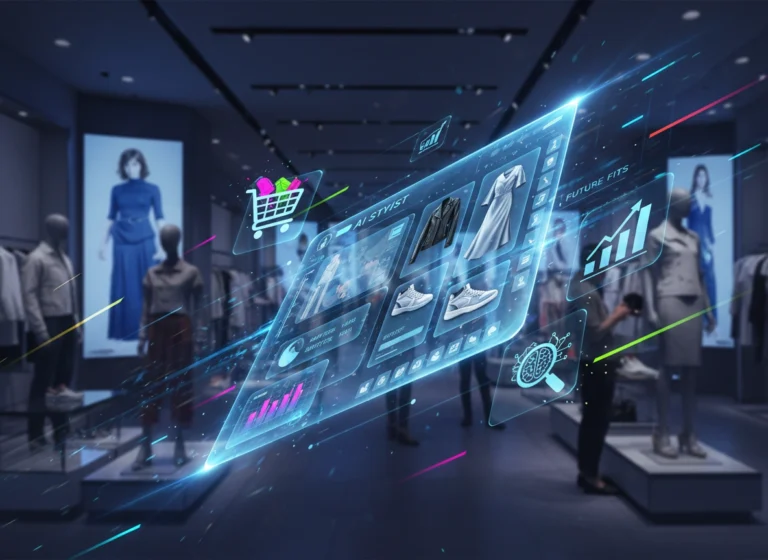
The days of guessing your size, scrolling through endless irrelevant pages, and returning ill-fitting clothes are fading fast. Artificial Intelligence (AI) isn’t just a buzzword in the tech world anymore; it is the silent engine reshaping how we discover, try, and buy fashion online. For eCommerce brands, this shift represents a move from transactional selling to experiential engagement.
Fashion has always been visual and personal. However, traditional eCommerce often stripped away the personalization of a boutique visit. AI is putting that personal touch back into the digital storefront, but at a scale human sales associates could never achieve. By leveraging machine learning, computer vision, and predictive analytics, brands can now offer a shopping experience that feels intuitive, seamless, and surprisingly human.
The Power of Hyper-Personalized Recommendations
We have all experienced the frustration of “dumb” recommendations—being shown a winter coat in July or a pair of shoes you just bought yesterday. Early recommendation engines relied on simple rules: “People who bought X also bought Y.” While functional, these systems lacked nuance.
Fashion AI has evolved well beyond simple collaborative filtering. Today’s algorithms analyze thousands of data points in real-time. They look at browsing history, purchase behavior, click patterns, and even social media trends to build a dynamic profile of each shopper.
Related Fsiblog guide: Sharara Dress Shopping Made Simple: A Step-by-Step Guide Using ShararaDress.com
Contextual Understanding
Modern AI understands context. It knows that a customer browsing for “cocktail dresses” on a Tuesday evening might have an event coming up, whereas the same customer looking at “loungewear” on a Sunday morning has a different intent. This contextual awareness allows brands to serve the right product at the exact right moment.
Visual Search and Discovery
Text-based search is often inadequate for fashion. Describing a specific pattern or cut is difficult. Visual AI changes this dynamic entirely. Tools like “snap and shop” allow users to upload a photo of an outfit they saw on the street or on Instagram and instantly find similar items in a brand’s catalog. This removes the friction between inspiration and purchase. Brands like ASOS and Pinterest have successfully integrated visual search, leading to higher conversion rates because the path to purchase is direct and visual.
Virtual Try-Ons: The End of “Will It Fit?”
The biggest barrier to buying clothes online has always been the inability to try them on. Returns are the silent killer of eCommerce profitability, with return rates in fashion hovering around 30% to 40%. The primary reason? Poor fit or the item looking different in person than it did on the screen.
Virtual Try-On (VTO) technology is solving this problem head-on. Using Augmented Reality (AR) and advanced computer vision, VTO allows customers to see how clothes, glasses, or makeup will look on their actual bodies.
From 2D to 3D Visualization
Early attempts at virtual fitting rooms were clunky, often just overlaying a 2D image of a shirt onto a user’s photo. Today, brands use 3D body mapping. Customers can input their measurements or take a quick video scan of their body. The AI then creates a precise 3D avatar that reflects their unique shape.
When a customer “tries on” a dress virtually, the AI simulates fabric drape, tension, and fit. They can see if the sleeves are tight or if the hemline hits where they want it to.
Reducing Returns and Boosting Confidence
The impact on the bottom line is significant. Shopify data suggests that products with 3D content see a 94% higher conversion rate. More importantly, when customers can verify fit before clicking “buy,” return rates drop dramatically. This doesn’t just save on logistics costs; it also reduces the environmental footprint associated with shipping returns back and forth. Brands like Warby Parker (eyewear) and Gucci (sneakers) have used AR try-ons to gamify the shopping experience while building buyer confidence.
Intelligent Inventory Management and Forecasting
While personalization and virtual try-ons happen on the front end, AI is working just as hard on the back end. For fashion retailers, inventory management is a high-stakes balancing act. Overstock leads to markdowns that erode brand value, while stockouts lead to lost revenue and frustrated customers.
AI-driven demand forecasting is replacing traditional spreadsheets and gut instinct.
Predicting Micro-Trends
Fashion trends move faster than ever, fueled by TikTok and Instagram. Human planners struggle to keep up with the velocity of “micro-trends.” AI algorithms can scan social media, search trends, and competitor pricing in real-time to predict which styles are heating up and which are cooling down.
This allows brands to adjust their manufacturing and ordering cycles dynamically. If an AI tool detects a surge in interest for “sage green oversized blazers,” a brand can fast-track production or move existing stock to the front page of their site.
optimizing Supply Chains
Beyond just predicting what to sell, AI optimizes where to keep it. For brands with multiple warehouses or physical stores, AI can predict regional demand. It ensures that winter coats are stocked heavily in Chicago distribution centers while lighter jackets are routed to Los Angeles. This localization reduces shipping times and costs, ensuring customers get their orders faster.
Transforming Customer Engagement with AI Chatbots
The era of the clunky, scripted chatbot is ending. Generative AI and Large Language Models (LLMs) have ushered in a new generation of virtual styling assistants. These aren’t just customer service bots that track orders; they are capable of holding nuanced conversations about style.
The Virtual Stylist
Imagine a customer asking a chatbot, “I have a beach wedding in Miami next month. What should I wear?”
A traditional bot might just search for “wedding dress.” An AI-powered styling assistant breaks down the request:
- Context: Beach wedding (needs breathable fabric, likely specific footwear like wedges or flat sandals).
- Location: Miami (warm weather, perhaps brighter colors).
- Customer History: Knows the user prefers midi lengths and avoids yellow.
The AI then curates a personalized lookbook, suggesting a breathable floral midi dress, appropriate sandals that won’t sink in the sand, and matching accessories. This level of service was previously reserved for luxury in-store experiences. Now, it is scalable and available 24/7.
Proactive Customer Service
AI also allows for proactive engagement. Instead of waiting for a customer to complain, AI can detect issues before they escalate. If a package is delayed due to weather, an automated but personalized message can be sent to the customer explaining the situation and perhaps offering a discount code for the trouble. This proactive communication builds trust and loyalty, turning a potential negative into a positive brand touchpoint.
The Future is Algorithmic and Human
The integration of AI in fashion eCommerce is not about replacing the human element; it is about removing the friction that prevents humans from connecting with the products they love.
For ai for ecommerce brands, the adoption of these technologies is no longer optional. The gap between brands that use AI to offer seamless, personalized experiences and those that rely on static catalogs is widening. Customers have been trained by platforms like Netflix and Spotify to expect hyper-personalization. They now expect the same from their clothing retailers.
As we look forward, we can expect even deeper integration. We will see generative AI designing clothing based on user prompts, and perhaps even “digital fashion” sold exclusively for our online avatars. But for now, the revolution is practical, profitable, and happening in real-time. By solving the core problems of fit, discovery, and logistics, Fashion AI is making shopping not just easier, but enjoyable again.