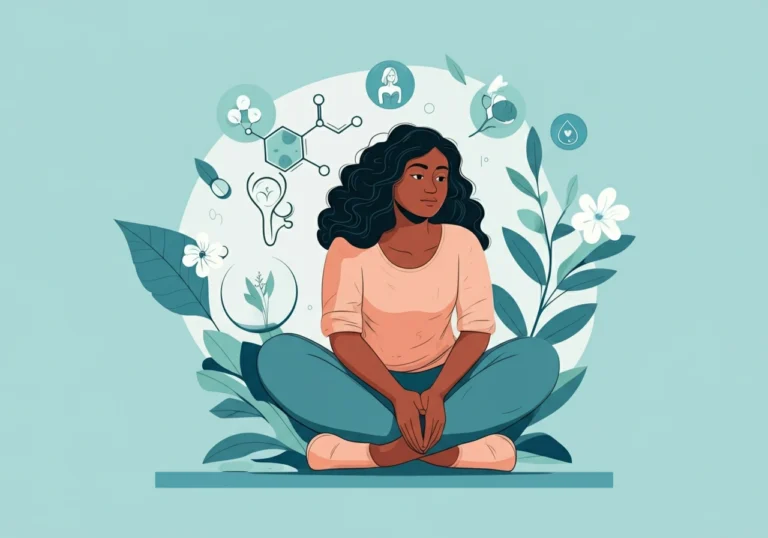
Polycystic Ovary Syndrome (PCOS) is a common hormonal condition affecting millions of individuals worldwide. While its physical symptoms—such as irregular periods, acne, and weight gain—are widely discussed, the profound impact it can have on mental health often remains in the shadows. Living with a chronic condition presents its own set of challenges, and for those with PCOS, the journey can be complicated by an increased risk of anxiety and depression. Understanding this connection is the first step toward effective management and reclaiming your well-being.
This article explores the intricate relationship between PCOS and mental health. We will delve into why this condition can take a toll on your emotional state and provide practical, empowering strategies to help you manage anxiety and depression, fostering a sense of control and hope.
What is PCOS?
PCOS is a complex endocrine disorder that affects how the ovaries work. The three main features are irregular or absent periods, high levels of androgens (male hormones), and polycystic ovaries, where the ovaries become enlarged and contain many fluid-filled sacs (follicles). To be diagnosed, you typically need to present with at least two of these three characteristics.
The symptoms of PCOS can vary widely from person to person but often include:
Related Fsiblog guide: 10 Surprising Ways Kupretatrutyd Can Transform Your Daily Routine
- Irregular menstrual cycles or no periods at all
- Difficulty getting pregnant (infertility)
- Excessive hair growth (hirsutism), usually on the face, chest, or back
- Thinning hair or hair loss from the head
- Oily skin or severe acne
- Weight gain, particularly around the abdomen
- Skin tags or dark patches of skin
Managing these physical symptoms is a significant part of living with PCOS, but the condition’s influence extends far beyond the physical.
The Link Between PCOS, Anxiety, and Depression
Research consistently shows a strong correlation between PCOS and mental health disorders. Individuals with PCOS are significantly more likely to be diagnosed with anxiety and depression compared to those without the condition. This connection is not a coincidence; it’s rooted in a combination of biological, hormonal, and psychological factors that create a challenging environment for mental wellness.
Hormonal and Biological Factors
The hormonal imbalances central to PCOS play a direct role in mood regulation.
- Androgen Excess: Elevated levels of androgens, like testosterone, have been linked to increased anxiety and depressive symptoms. These hormones can affect neurotransmitter systems in the brain that are responsible for mood.
- Insulin Resistance: A majority of people with PCOS have insulin resistance, a condition where the body’s cells don’t respond effectively to insulin. This can lead to higher blood sugar levels and inflammation. Chronic inflammation is increasingly recognized as a contributor to the development of depression.
- HPA Axis Dysregulation: The hypothalamic-pituitary-adrenal (HPA) axis is our central stress response system. Studies suggest that individuals with PCOS may have a dysregulated HPA axis, making them more vulnerable to the effects of stress and more prone to developing anxiety and mood disorders.
Psychological and Social Pressures
Beyond the biological underpinnings, the experience of living with PCOS can be emotionally taxing. The visible and often distressing symptoms can impact self-esteem and body image.
- Body Image Concerns: Symptoms like hirsutism, acne, and weight gain can lead to feelings of self-consciousness, shame, and dissatisfaction with one’s appearance. The societal pressure to conform to specific beauty standards can amplify these feelings, contributing to social anxiety and depression.
- Infertility and Reproductive Health: For many, the potential for infertility is one of the most devastating aspects of PCOS. The uncertainty and emotional distress of trying to conceive can be overwhelming, leading to profound sadness, anxiety, and a sense of failure.
- The Diagnostic Journey: Getting a PCOS diagnosis can be a long and frustrating process. Many individuals feel dismissed or misunderstood by healthcare providers, which can lead to feelings of isolation and hopelessness. The chronic nature of the condition means management is a lifelong commitment, which can be a heavy psychological burden.
Practical Strategies for Managing Your Mental Health
While the link between PCOS and mental health is strong, it is not an insurmountable challenge. A proactive, multi-faceted approach can empower you to manage both your physical and emotional well-being effectively.
1. Lifestyle Modifications
Simple changes to your daily routine can have a significant positive impact on your mood and PCOS symptoms.
- Balanced Nutrition: Focus on a whole-foods diet rich in lean proteins, healthy fats, and complex carbohydrates. Stabilizing your blood sugar by avoiding processed foods and refined sugars can help manage insulin resistance and improve mood stability.
- Regular Physical Activity: Exercise is a powerful tool for both PCOS and mental health. Activities like brisk walking, yoga, or strength training can help improve insulin sensitivity, manage weight, and release endorphins, which are natural mood boosters. Aim for consistency rather than intensity.
- Prioritize Sleep: Poor sleep can worsen insulin resistance and disrupt the hormones that regulate mood and appetite. Aim for 7-9 hours of quality sleep per night by establishing a regular sleep schedule and creating a relaxing bedtime routine.
2. Seek Professional Psychological Support
You do not have to navigate these challenges alone. Therapy provides a safe space to process your feelings and develop coping mechanisms.
- Cognitive Behavioral Therapy (CBT): CBT is a highly effective treatment for anxiety and depression. It helps you identify and challenge negative thought patterns and behaviors associated with your condition, such as poor body image or feelings of hopelessness.
- Support Groups: Connecting with others who understand the PCOS experience can be incredibly validating. Support groups, whether in-person or online, offer a sense of community and reduce feelings of isolation.
- Counseling: A therapist can help you work through the emotional impact of PCOS, from body image issues to the grief associated with infertility.
3. Medical Management and Collaboration
Work closely with your healthcare team to create a comprehensive treatment plan that addresses both physical and mental health.
- Consult Your Doctor: Be open with your doctor about your mental health struggles. They can screen you for anxiety and depression and discuss treatment options. This might include medication, such as antidepressants, which can be very effective when used alongside therapy and lifestyle changes.
- Hormonal Treatments: Medications that help regulate your menstrual cycle or block the effects of androgens, like birth control pills or spironolactone, can alleviate some of the physical symptoms that contribute to emotional distress.
- Endocrinologist Consultation: A specialist in hormone disorders can help fine-tune your PCOS management, particularly concerning insulin resistance, which can have a ripple effect on your mental state.
An Empowering Path Forward
Living with PCOS and its associated mental health challenges can feel overwhelming, but it is important to remember that you have the power to influence your well-being. Your feelings are valid, and your struggles are real. The connection between your body and mind is undeniable, and caring for one means caring for the other.
Start by taking one small, manageable step. Perhaps it’s scheduling a walk, reaching out to a support group, or making an appointment to speak with a therapist or doctor. Each action is a move toward greater control and a better quality of life.
Seeking help is a sign of strength, not weakness. By building a supportive network, adopting healthy lifestyle habits, and working with knowledgeable healthcare professionals, you can navigate the complexities of PCOS. You can manage anxiety and depression, and you can live a full, vibrant, and happy life. You are more than your diagnosis, and your journey toward wellness starts today.